Stroke Recovery Treatment in Fredericksburg
A stroke can profoundly impact cognitive function, emotional well-being, and daily independence, but recovery is possible with specialized neuropsychological care. At Dr. Khanali's Neuropsychological Services, we provide evidence-based stroke rehabilitation focused on restoring cognitive abilities, managing emotional changes, and helping you reclaim your quality of life.
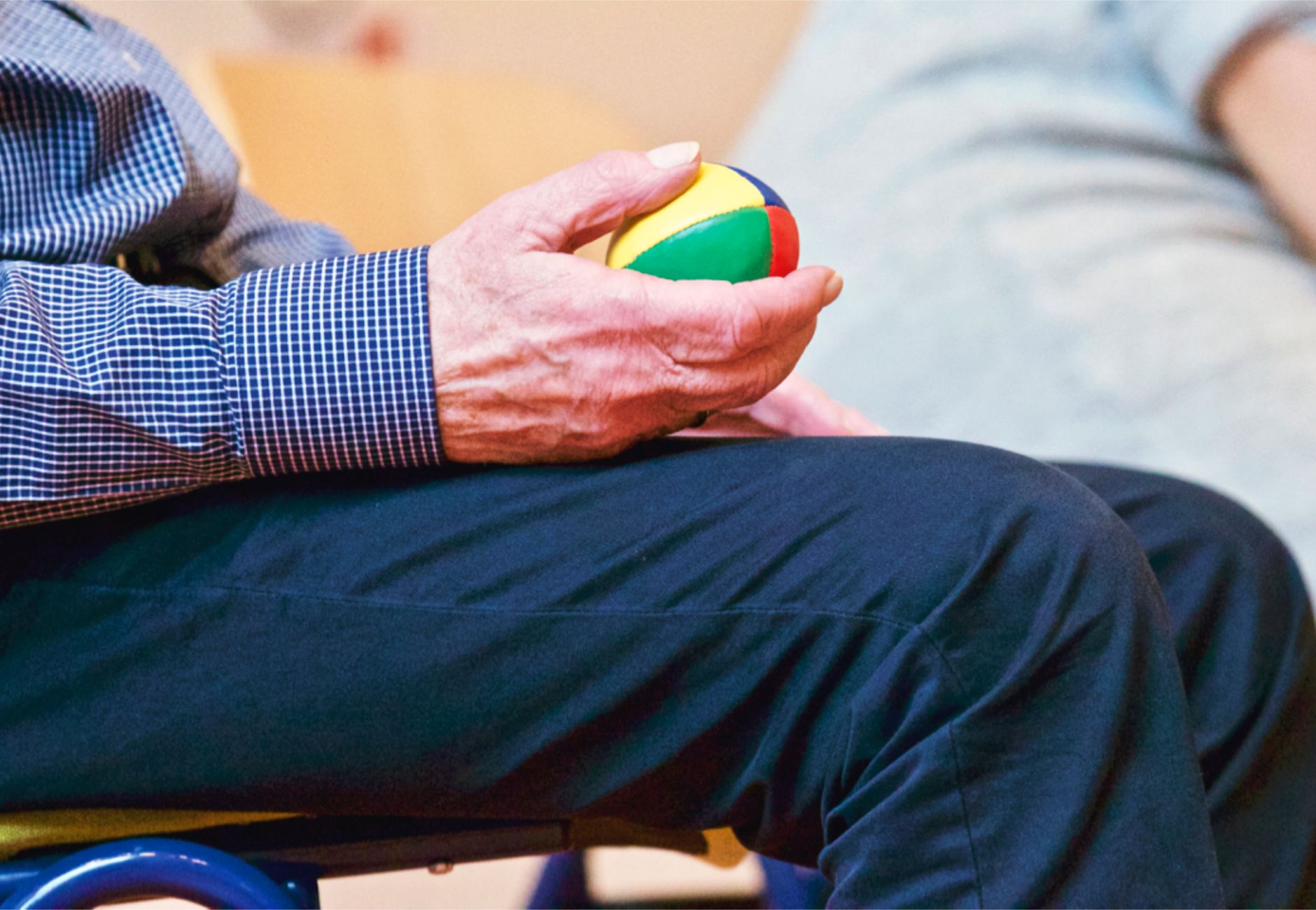
Understanding Stroke Recovery
Stroke recovery encompasses the multifaceted process of regaining cognitive, physical, and emotional function following a cerebrovascular accident. Most strokes are ischemic strokes, caused by blocked blood flow to the brain. The impact varies significantly depending on the location and severity of brain damage, but common consequences include memory deficits, attention problems, language difficulties, executive function impairments, emotional dysregulation, and challenges with activities of daily living. Many stroke survivors face a long rehabilitation journey, with recovery continuing for months or even years after the initial event. The neuroplasticity of the brain—its ability to reorganize and form new neural connections—offers hope for meaningful recovery, especially when rehabilitation begins early and continues consistently.
Multiple factors contribute to stroke risk and recovery outcomes. Modifiable risk factors include hypertension, diabetes, high cholesterol, smoking, obesity, and atrial fibrillation, while non-modifiable factors include age, gender, race, and family history. The type of stroke—whether ischemic, hemorrhagic, or transient ischemic attack (TIA)—influences the recovery trajectory. The location of brain damage determines which cognitive and physical functions are affected: left hemisphere strokes often impact language and logical reasoning, while right hemisphere strokes may affect spatial awareness and emotional processing. Recovery is also influenced by the speed of initial treatment, the extent of rehabilitation services received, psychological factors such as motivation and mood, social support systems, and pre-stroke cognitive reserve. Understanding these variables helps neuropsychologists develop targeted, individualized rehabilitation strategies.
Professional neuropsychological treatment is essential for optimal stroke recovery because cognitive deficits are often subtle, underdiagnosed, and profoundly impact daily functioning and quality of life. While physical therapy addresses motor recovery and speech therapy targets language, neuropsychological rehabilitation specifically focuses on cognitive functions such as attention, memory, problem-solving, and emotional regulation. Without specialized cognitive assessment and treatment, stroke survivors may struggle with returning to work, managing finances, driving safely, maintaining relationships, and living independently. Neuropsychologists conduct comprehensive evaluations to identify specific cognitive strengths and weaknesses, develop evidence-based treatment plans, teach compensatory strategies, address emotional challenges like post-stroke depression and anxiety, coordinate care with other rehabilitation professionals, and provide family education and support. Early and consistent neuropsychological intervention has been shown to improve functional outcomes, enhance quality of life, reduce caregiver burden, and maximize the potential for independence and community reintegration.
Signs & Symptoms of Stroke Recovery Challenges
- Memory Difficulties: Trouble remembering recent events, appointments, conversations, or where items were placed, affecting daily independence.
- Attention & Concentration Problems: Difficulty focusing on tasks, becoming easily distracted, or managing multiple activities simultaneously.
- Executive Function Impairments: Challenges with planning, organizing, problem-solving, decision-making, or initiating and completing tasks.
- Language & Communication Difficulties: Word-finding problems, difficulty understanding complex language, or trouble expressing thoughts clearly.
- Post-Stroke Depression or Anxiety: Persistent sadness, loss of interest in activities, excessive worry, or feelings of hopelessness about recovery.
- Emotional Lability: Sudden, unpredictable episodes of laughing or crying that seem disproportionate to the situation.
- Reduced Insight or Awareness: Difficulty recognizing one's own cognitive or physical limitations, potentially leading to safety concerns.
- Difficulty with Daily Activities: Challenges managing household tasks, preparing meals, handling finances, or maintaining personal hygiene independently.
- Processing Speed Slowing: Taking longer to think, respond to questions, or complete tasks than before the stroke.
- Visual-Spatial Deficits: Difficulty judging distances, navigating familiar environments, or neglecting one side of space.
- Fatigue & Low Energy: Persistent exhaustion that interferes with participation in rehabilitation activities and daily life.
- Social Withdrawal: Avoiding social situations, losing interest in hobbies, or feeling embarrassed about cognitive changes.
- Impulsivity or Disinhibition: Acting without thinking, making risky decisions, or saying inappropriate things in social settings.
- Sleep Disturbances: Insomnia, excessive daytime sleepiness, or disrupted sleep patterns that impair cognitive recovery.
- Difficulty Returning to Work: Struggling to meet job demands due to cognitive changes, requiring workplace accommodations or role modifications.
What to Expect
- Comprehensive neuropsychological evaluation measuring cognitive strengths and weaknesses across memory, attention, language, executive function, and visual-spatial abilities
- Personalized rehabilitation plan combining evidence-based cognitive remediation exercises, compensatory strategy training, and real-world application
- Coordinated care with your medical team, physical therapists, and speech therapists for comprehensive stroke recovery
- Regular progress monitoring using objective measures to track cognitive improvement and adjust treatment based on your evolving needs
- Treatment for emotional challenges including post-stroke depression and anxiety using cognitive-behavioral therapy and supportive counseling
- Family education, caregiver training, and support throughout your recovery journey to maximize independence and quality of life
How We Treat Stroke Recovery
Comprehensive Assessment
We begin with an extensive neuropsychological evaluation that measures your cognitive strengths and weaknesses across multiple domains including memory, attention, language, executive function, and visual-spatial abilities. This assessment provides a detailed cognitive profile that guides treatment planning and establishes baseline measures for tracking recovery. We also evaluate emotional functioning, activities of daily living, and identify specific rehabilitation goals that matter most to you and your family.
Personalized Treatment Plan
Based on assessment findings, we develop an individualized rehabilitation plan targeting your specific cognitive deficits and functional goals. Treatment combines evidence-based cognitive remediation exercises designed to restore impaired functions, compensatory strategy training to work around persistent deficits, and practical application to real-world situations. We collaborate with your medical team, physical therapists, and speech therapists to ensure coordinated, comprehensive care that addresses all aspects of your recovery.
Ongoing Care & Monitoring
Recovery from stroke is an ongoing process that requires consistent monitoring and treatment adjustment. We conduct regular progress evaluations using standardized measures to objectively track cognitive improvement and functional gains. Treatment plans are modified based on your progress, emerging needs, and evolving goals. We provide continuous support for managing emotional challenges like depression and anxiety, offer family education and caregiver training, and help navigate challenges related to returning to work, driving, and independent living.
Benefits
Specialist Expertise
Dr. Khanali is a licensed clinical psychologist with specialized training in stroke rehabilitation and cognitive recovery, ensuring you receive expert, evidence-based care.
Personalized Approach
We recognize that every stroke is unique. Your treatment plan is tailored to your specific cognitive profile, functional goals, and life circumstances for maximum effectiveness.
Telehealth Available
Access comprehensive stroke recovery services from the comfort of your home through secure telehealth sessions—ideal for those with mobility limitations or transportation challenges.
Specialized Experience
Extensive experience treating stroke survivors across all stages of recovery, from acute rehabilitation to long-term community reintegration and vocational rehabilitation.
Your Treatment Journey
First Evaluation (Week 1)
Your journey begins with a comprehensive neuropsychological evaluation, typically lasting 3-4 hours (often split across multiple sessions). We'll assess your cognitive functioning across all domains, review medical records and neuroimaging, discuss your stroke history and current challenges, and identify your rehabilitation goals. This thorough assessment provides the foundation for your personalized treatment plan. You'll receive a detailed written report summarizing findings and recommendations.
Treatment Begins (Weeks 2-4)
Active rehabilitation typically begins within 1-2 weeks after evaluation. Initial sessions focus on establishing therapeutic rapport, teaching compensatory strategies for immediate functional needs, beginning cognitive exercises targeting specific deficits, and addressing emotional adjustment to stroke-related changes. Treatment frequency is individualized—most patients begin with weekly or twice-weekly sessions. Early treatment focuses on education, establishing routines, and building confidence while you adjust to new strategies.
Progress Review (Months 2-3)
After 8-12 weeks of treatment, we conduct a formal progress review using objective measures to track cognitive improvement and functional gains. Many patients show measurable improvements in targeted cognitive domains, increased confidence in daily activities, and enhanced ability to use compensatory strategies. Treatment is adjusted based on progress—increasing difficulty of exercises, adding new goals, addressing emerging challenges, or transitioning to less frequent maintenance sessions. This is also when we often address return-to-work planning or driving evaluations if appropriate.
Long-Term Management (Months 3+)
Stroke recovery is a long-term process, with many patients continuing to improve for 6-12 months or longer. As you progress, treatment frequency typically decreases to every 2-3 weeks, then monthly maintenance sessions. Long-term care focuses on consolidating gains, preventing cognitive decline, adapting to changing life demands, and maintaining emotional well-being. Some patients benefit from periodic "booster" sessions during times of increased stress or when facing new challenges. Our goal is your maximum independence and highest possible quality of life—we remain available as a resource throughout your recovery journey.
Evidence-Based Treatment Modalities
Our stroke recovery treatment incorporates evidence-based neuropsychological rehabilitation approaches validated by research. We utilize cognitive remediation techniques including attention process training, memory strategy instruction, executive function coaching, and errorless learning principles. Treatment may include computerized cognitive training programs supplemented with paper-and-pencil exercises and real-world application tasks.
For emotional challenges, we employ cognitive-behavioral therapy adapted for stroke survivors, supportive counseling, relaxation training, and behavioral activation strategies. When appropriate, we coordinate with physicians regarding medications for depression, anxiety, or cognitive enhancement. We emphasize functional outcomes—helping you regain independence in daily activities, return to meaningful work or leisure pursuits, and improve quality of life. Family involvement is integral; we provide education about stroke-related changes, teach communication and support strategies, and address caregiver stress. Our comprehensive approach addresses not just cognitive symptoms but the whole person in their social and environmental context.
Additional Symptom Context
If you recognize these signs in yourself or a loved one, help is available. Early treatment leads to better outcomes, and our specialized neuropsychological rehabilitation can help restore function and independence.
Common Questions About Stroke Recovery
How long does stroke recovery treatment take?
The timeline for stroke recovery varies significantly depending on the severity and location of the stroke, the extent of cognitive deficits, your overall health, and your engagement in rehabilitation. Most patients benefit from active neuropsychological treatment for 3-6 months, with sessions gradually decreasing in frequency as skills improve. However, meaningful recovery can continue for 12 months or longer after stroke. Some patients achieve their rehabilitation goals within a few months, while others benefit from ongoing support for a year or more. Research shows that the brain continues to reorganize and adapt over time, and consistent rehabilitation efforts lead to better long-term outcomes. We'll work with you to establish realistic timelines based on your specific situation and adjust treatment duration based on your progress and goals.
Is medication required for stroke recovery?
Neuropsychological treatment for stroke recovery does not always require medication, but it may be an important component of comprehensive care in some cases. As a neuropsychologist, Dr. Khanali focuses on cognitive rehabilitation and behavioral interventions rather than prescribing medications. However, we work closely with your neurologist, primary care physician, or psychiatrist who may prescribe medications for specific needs. Common medications after stroke include those to prevent future strokes (anticoagulants, antiplatelets, blood pressure medications), antidepressants for post-stroke depression, anti-anxiety medications if needed, and occasionally cognitive enhancers for severe cognitive deficits. Many patients recover successfully with cognitive rehabilitation alone, while others benefit from a combination of therapy and medication. We provide integrated care, coordinating with your medical team to ensure all aspects of your recovery are addressed.
Does insurance cover neuropsychological stroke rehabilitation?
Most insurance plans, including Medicare, cover neuropsychological services for stroke recovery when medically necessary and provided by a licensed neuropsychologist. Coverage typically includes the initial comprehensive evaluation, ongoing rehabilitation sessions, and progress monitoring. However, specific coverage details vary by plan—some require pre-authorization, have session limits, or apply deductibles and copays. We recommend contacting your insurance provider before your first appointment to verify your behavioral health benefits and understand any out-of-pocket costs. Our office can provide the necessary documentation including diagnosis codes and treatment plans to support insurance claims. We're committed to making care accessible and will work with you to navigate insurance questions and explore payment options if needed.
What if stroke recovery therapy isn't working?
If you're not seeing the progress you hoped for, it's important to communicate openly with your treatment team. Several factors can affect recovery pace: unrealistic timeline expectations (recovery takes time), inadequate treatment frequency or intensity, unaddressed emotional factors like depression interfering with rehabilitation, medical complications or medication side effects, insufficient practice of strategies outside sessions, or mismatch between treatment approaches and your learning style. We conduct regular progress monitoring using objective measures, and if progress plateaus, we'll reassess your treatment plan. This might involve adjusting treatment techniques, increasing session frequency, addressing barriers to progress, coordinating more closely with other rehabilitation providers, or modifying goals to be more realistic and achievable. It's also important to recognize that some degree of permanent cognitive change may persist after stroke—in these cases, we shift focus to maximizing function with compensatory strategies rather than full restoration. Your honest feedback helps us optimize your care.
Can telehealth work effectively for stroke recovery treatment?
Yes, telehealth can be highly effective for neuropsychological stroke rehabilitation and offers unique advantages for many patients. Virtual sessions allow cognitive exercises and strategy training to be conducted effectively through screen sharing and interactive activities. Telehealth eliminates transportation barriers, which is especially beneficial for stroke survivors with mobility limitations or who cannot drive. It enables treatment in your home environment where you can immediately practice strategies with real-world activities and allows family members to participate more easily in sessions. Research shows comparable outcomes between in-person and telehealth cognitive rehabilitation for many patients. However, the initial comprehensive evaluation may be best conducted in person when possible for hands-on testing, though virtual evaluations are also feasible when necessary. Some patients prefer the structure of office visits, while others find telehealth more comfortable and convenient. We'll work with you to determine the best format for your needs and can combine in-person and virtual sessions as appropriate.
Will I ever fully recover from my stroke?
This is one of the most common and important questions stroke survivors ask, and the honest answer is that it depends on many individual factors. Some people, particularly those with milder strokes or transient ischemic attacks (TIAs), experience complete or near-complete recovery of cognitive function. However, many stroke survivors experience lasting cognitive changes, especially with moderate to severe strokes. The goal of rehabilitation is not always to return to your exact pre-stroke baseline, but rather to maximize your functional abilities, teach effective compensatory strategies, restore independence in daily activities, and achieve the best possible quality of life. Many patients make remarkable gains with dedicated rehabilitation, surpassing initial expectations. Importantly, recovery doesn't mean returning to exactly how things were before—it often means adapting to changes, developing new strengths, and finding meaningful ways to engage in life. Our approach focuses on your personal goals and what matters most to you, whether that's returning to work, living independently, maintaining relationships, or pursuing hobbies. With comprehensive rehabilitation, most stroke survivors can achieve significant functional improvement and life satisfaction.
Related Conditions
Related
Traumatic Brain Injury
Comprehensive rehabilitation for cognitive and emotional effects of concussion and traumatic brain injury.
Related
Dementia & Memory Disorders
Diagnostic evaluation and supportive care for Alzheimer's disease and other forms of dementia.
Related
Depression
Evidence-based treatment for major depression, including post-stroke and vascular depression.
Get Help for Stroke Recovery Today
You don't have to face stroke recovery alone. Our specialized team is ready to help you regain function and independence.
Schedule an Appointment